
Key Takeaways
- DIY pest products miss hidden nests and entry points that allow infestations to continue unnoticed.
- Professional inspections trace pest movement paths and treat areas surface methods cannot reach.
- Anti-termite solutions and nest removal work best when applied with proper access and tools.
- Ongoing checks help prevent repeat infestations and limit long-term property damage.
Introduction
Dealing with pests at home usually starts with sprays, traps, and hopeful shopping basket choices. Frustration creeps in when the problem keeps coming back, even after repeated attempts. Hidden nesting spots, sealed voids, and structural gaps allow pests to avoid surface products with ease. Situations like this explain why professional services exist, especially when guidance on how to get rid of wasps’ nests and the need for anti-termite treatment move beyond simple DIY fixes.
Why DIY Methods Fall Short
Hidden Entry Points and Nesting Zones
Pests rarely stay in open view. Termites operate inside walls, beneath flooring, and within timber frames where sprays never reach. Wasps build nests high up, deep in roof spaces, or within wall cavities where access stays limited. Using shop-bought solutions only treats visible areas, leaving colonies untouched. Professional inspections focus on tracing movement paths, entry points, and nesting zones that remain hidden during casual checks.
Reinfestation Risks After Surface Treatment
Short-term relief feels promising, though unresolved sources allow pests to return quietly. Termites continue feeding underground, while wasps rebuild nests nearby once surface activity fades. Without a targeted plan in place, damage progresses out of sight until repairs become costly, which is where anti-termite treatment becomes necessary. Similarly, learning how to get rid of wasp nests safely requires addressing the entire structure, not just the insects seen flying around.
How Professional Pest Control Reaches Deeper
Targeted Treatment Methods
Professional teams use specialised tools and methods designed for concealed areas. Termite control may involve soil treatment, baiting systems, or direct injection into affected zones. Each method works based on building layout and infestation level. Applying these techniques allows chemicals or baits to reach colonies directly, with anti-termite treatment interrupting feeding cycles over time.
Safe Access to High-Risk Areas
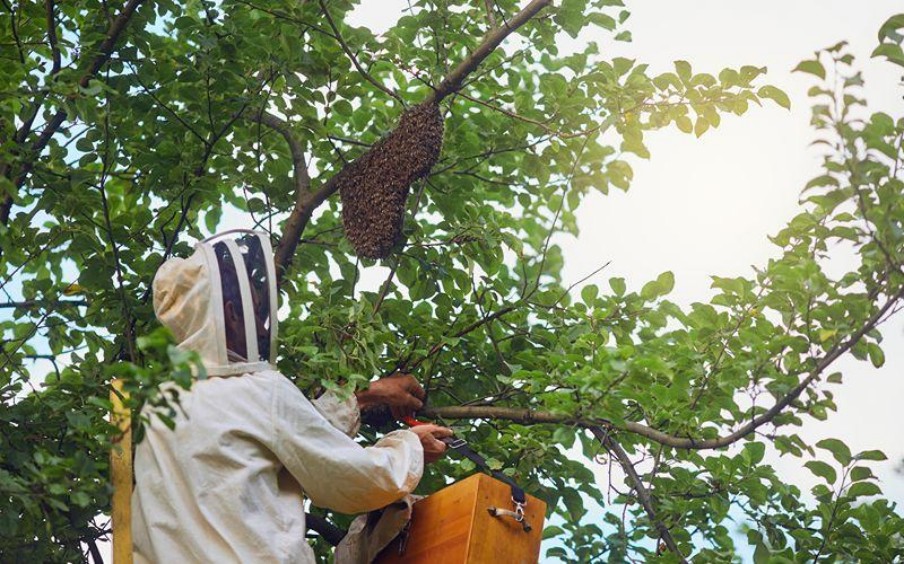
Removing a wasps nest involves height, protective equipment, and precise timing. Professionals assess nest location, species behaviour, and activity patterns before acting. Understanding how to get rid of a wasp nest safely reduces sting risk and avoids structural damage. Proper equipment allows access to eaves, rooflines, and enclosed cavities without guesswork.
Monitoring and Follow Up
One-off treatments rarely solve deeper infestations. Professionals schedule follow-ups to check activity levels, bait uptake, or nest absence. Ongoing monitoring ensures control measures continue working as intended. For termite cases, repeated checks help confirm colonies remain inactive beneath the structure following anti-termite treatment.
Practical Advantages of Professional Services
Accurate Identification
Different pests require different solutions. Termites, ants, wasps, and beetles show similar signs to untrained eyes. Professionals identify species accurately before selecting treatments. Correct identification prevents wasted effort and unnecessary chemical use, as it is the professionals who know how to get rid of a wasp nest efficiently and properly, particularly when aggressive species are involved.
Reduced Safety Risks
Handling chemicals, climbing ladders, or disturbing nests introduces injury risk. Professionals receive training to manage hazards using protective gear and controlled methods. Engaging expert help lowers exposure to stings, toxic substances, and accidental falls, keeping households safer during treatment.
Long Term Cost Control
Repeated DIY purchases add up without resolving the root cause. Professional services focus on elimination and prevention, avoiding repeated surface fixes that fail to reach the source. Structural integrity stays protected when anti-termite treatment is carried out properly, reducing long-term repair costs. Proper wasp nest removal also prevents recurring infestations during warmer seasons.
When Professional Help Becomes Necessary
Signs Problems Extend Beyond DIY Reach
Hollow-sounding timber, unexplained wood damage, or mud tubes suggest termite activity beyond surface-level. Persistent wasp presence near rooflines or walls indicates established nests. At this stage, safe and effective removal usually calls for professional intervention, as repeated trial and error rarely resolves the source of the problem.
Property Layout and Risk Factors
Older buildings, garden-heavy homes, and properties near green spaces attract pests more easily. Structural complexity creates hidden zones where pests thrive. Professional assessments identify risk areas and recommend prevention steps alongside treatment, strengthening protection beyond immediate removal.
Conclusion
Persistent pest issues signal deeper problems that surface products cannot address. Professional pest control focuses on access, accuracy, and long-term prevention, moving away from temporary relief. Targeted methods, proper equipment, and follow up monitoring allow treatments to reach areas pests rely on for survival. When DIY options fail to deliver lasting results, expert assistance provides clarity and control.
Contact ProServ Pest Control now to discuss effective solutions that address hidden infestations safely and thoroughly.