
Key Takeaways
- Minimalist lighting keeps rooms calm and flexible while fitting daily routines without visual clutter.
- Simple fixtures suit changing layouts and furniture choices across shared and private spaces.
- Clean designs make upkeep easier and reduce long-term maintenance concerns.
- Thoughtful placement helps light stay even and practical throughout the day.
Introduction
Living spaces today ask for calm visuals, easy upkeep, and lighting choices that feel settled instead of loud. Clean shapes and soft output fit daily routines without visual clutter, which explains why many homeowners gravitate towards ceiling lights. Minimalist lighting keeps rooms usable, flexible, and friendly to changing layouts, while letting furniture and finishes hold attention without fighting for it.
Why Minimalist Lighting Fits Daily Living
Keeping Spaces Calm Without Feeling Bare
Designing a home usually starts with how rooms feel during everyday use, so lighting choices play a steady role from morning to night. Light spreads evenly across floors and work areas when ceiling downlights sit in the right positions, creating a sense of order without demanding attention. Minimal fixtures sit quietly above, leaving walls open for art, shelving, or plain breathing space.
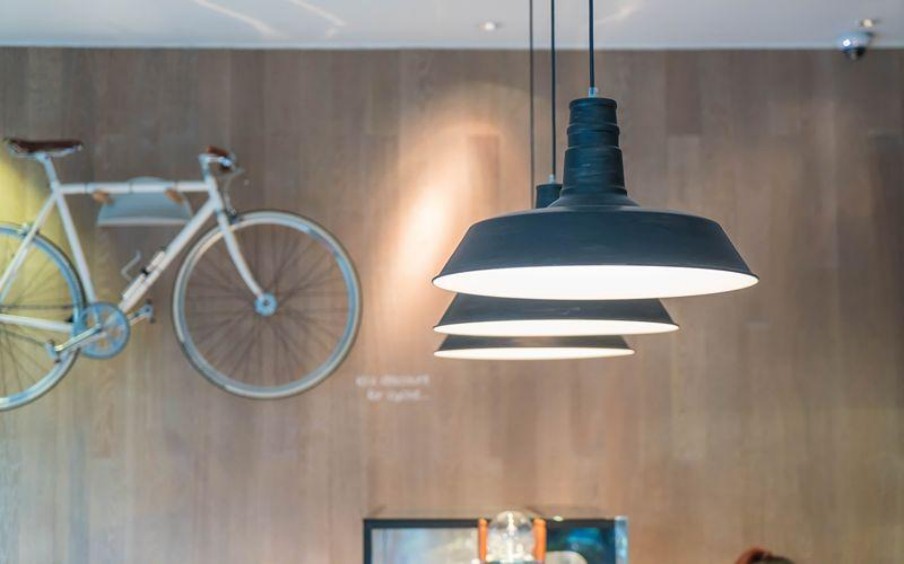
Choosing simple lighting shapes avoids visual noise, which helps rooms feel settled even during busy days. Neutral finishes blend well with timber, stone, or painted surfaces, offering flexibility during future furniture changes. Light becomes a background player, not the headline act, which suits households juggling work, rest, and family life.
Practical Benefits That Make Sense Over Time
Lighting choices often stay in place for years, so practicality matters from the start. Cleaning stays quick when uncomplicated designs are chosen, since smooth surfaces on ceiling lights collect less dust and avoid fiddly parts. Maintenance stays manageable, especially in shared spaces where upkeep needs to stay simple.
Energy use also stays predictable when fittings pair well with modern bulbs. Soft brightness levels help reduce glare while keeping rooms usable for reading, cooking, or unwinding. Minimalist designs focus on function first, allowing homes to feel consistent across seasons without frequent updates or adjustments.
Flexible Placement for Changing Needs
Room layouts change as families grow or habits shift, so lighting flexibility holds value. Rooms gain adaptable coverage when thoughtful positions are used, allowing furniture to move without leaving dark corners thanks to ceiling downlights. Kitchens, hallways, and living areas benefit from evenly spaced light that follows movement instead of focusing on fixed spots.
Such placement can affect different activities throughout the day. Morning routines, evening meals, and relaxed nights all work under steady lighting without constant switching. Minimalist fittings adapt quietly, offering balance across open-plan spaces and smaller rooms alike.
Where Minimalist Ceiling Lighting Works Best
Living Areas That Stay Comfortable
Living rooms often serve multiple roles, so lighting choices need to keep pace. Visual clutter stays out of the picture while enough brightness remains for gatherings or quiet evenings when simple forms define ceiling lights. Neutral tones suit sofas, rugs, and shelves without stealing attention from personal touches.
Layering light through dimmable options adds flexibility without adding fixtures. Soft control keeps atmospheres relaxed without fuss, supporting everyday comfort without constant adjustments or technical complexity.
Kitchens and Dining Spaces
Food preparation and shared meals call for reliable lighting that feels steady. Visibility stays consistent above work surfaces without harsh shadows when ceiling downlights handle the task. Clean designs suit modern cabinetry while keeping focus on practical use.
Even lighting helps people move safely during busy cooking periods. Simple fittings also avoid grease traps or awkward cleaning tasks, keeping kitchens functional and visually calm across daily use.
Bedrooms and Private Corners
Restful spaces benefit from lighting that stays subtle and predictable. Bedrooms feel settled during both early mornings and late nights when gentle output comes from ceiling lights. Simple fixtures reduce visual distractions, creating a relaxed setting suited to winding down.
Pairing overhead lighting with bedside lamps creates choice without clutter. Minimalist designs keep daily routines calm without overwhelming personal comfort.
Choosing the Right Minimalist Option
Size, Colour, and Finish
Lighting should suit room proportions without overpowering ceilings or shrinking spaces visually. Compact fixtures work well in modest rooms, while slightly wider options suit open areas without drawing attention. Neutral colours like white, black, or brushed metal blend easily with varied décor.
Selecting finishes that age well helps homes stay consistent over time. Simple materials handle wear gracefully, keeping lighting practical without frequent replacements.
Installation and Long-Term Use
Professional installation ensures safety and consistent output across rooms. Effectiveness holds steady for years when wiring and spacing follow proper planning, allowing ceiling downlights to perform reliably. Long-term use becomes simpler when fittings suit everyday habits without special care needs.
Thoughtful choices reduce the need for constant upgrades. Lighting remains steady, adaptable, and easy to live with, which suits busy households balancing comfort and function.
Conclusion
Minimalist lighting suits modern homes by keeping spaces calm, adaptable, and easy to manage. Clean designs allow rooms to evolve without frequent changes, supporting daily routines across living, cooking, and rest. Choosing fixtures that focus on function and quiet presence helps homes feel settled without fuss or visual strain.
For tailored advice on selecting minimalist lighting that fits daily living, contact Sense N Bedeck today and explore options suited to modern homes.