

Construction practices throughout the twentieth century relied heavily on mineral fibers for their exceptional physical characteristics. These materials were integrated into various structural components to improve the longevity and safety of growing urban centers. Understanding this legacy is essential for modern maintenance and renovation efforts.
Evolution of early building codes and insulation materials
Early building codes were focused squarely on structural integrity and preventing urban fires. Architects and engineers adopted mineral fiber-based insulation as a standard requirement, as it provided an affordable and highly effective solution for thermal regulation in residential and commercial spaces.
Why asbestos was favored for durability and fire resistance
The inherent chemical composition of these fibers made them resistant to extreme heat and corrosive damage. Builders favored these components because they could withstand significant environmental stress, effectively shielding structural framing from ignition and preventing heat loss in sprawling pipe networks.
Timeline of regulatory bans and industry shifts
Regulatory bodies gradually recognized the severe health hazards associated with widespread fiber usage, leading to phased restrictions that began in the 1970s. Industrial sectors underwent a massive shift, moving away from these legacy materials toward synthetic, non-toxic alternatives that comply with modern safety standards.
Identifying common locations for asbestos in old buildings
Many structures built prior to the 1980s still retain hidden mineral components within their basic architectural fabric. Identifying those locations requires careful observation and an understanding of where specific applications were once considered standard practice. Property owners should remain vigilant regarding these hidden dangers occurring in older construction materials.
Floor tiles and adhesive mastics
Vinyl floor tiles manufactured several decades ago often incorporated mineral reinforcement that remains stable unless pulverized. The adhesive mastics underneath these tiles are similarly problematic, containing resilient minerals that pose risks during flooring renovations or scraping procedures.
Pipe insulation and boiler wrappings
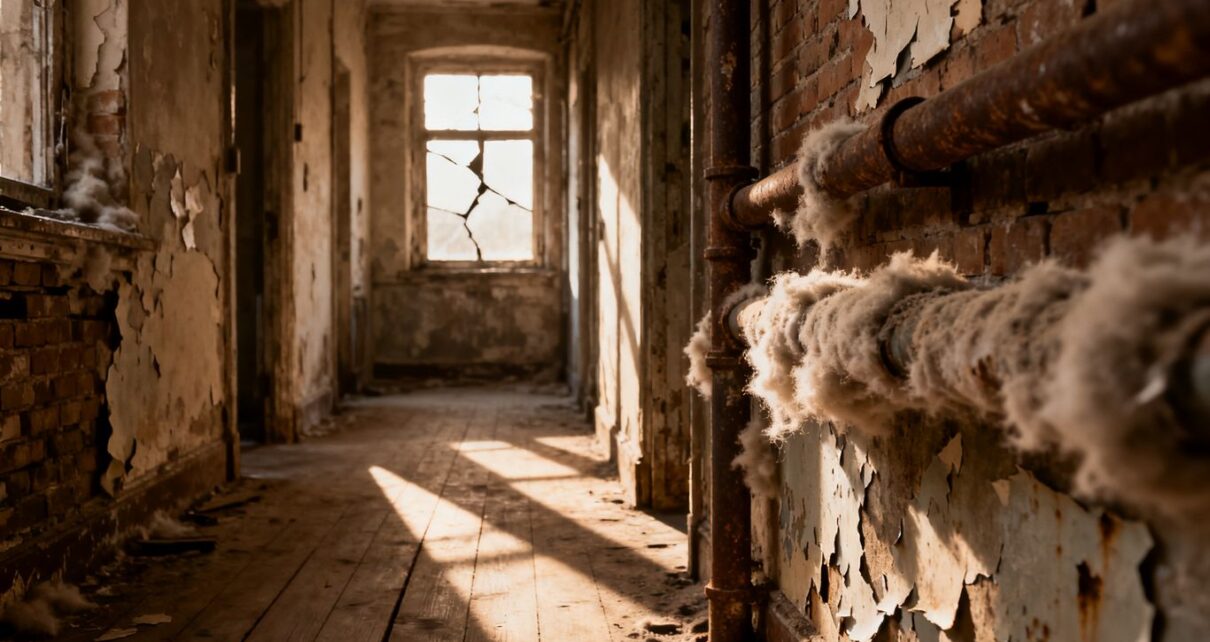
Older heating systems typically featured pipes covered in crumbly, off-white wrapping materials designed for thermal management. These brittle jackets often disintegrate over time, turning into dusty residue that can easily enter the surrounding indoor environment during maintenance work.
Ceiling textures and drywall joint compounds
Decorative ceiling treatments, often referred to as popcorn ceilings, historically included fiber additives to provide a distinct, durable finish. While these textures appear harmless when left untouched, the compounding agents used in the surrounding drywall seams frequently contain high concentrations of hazardous materials.
Roofing materials and external siding
Roofing shingles and vertical cement siding panels were designed for long-term weather resistance, typically using heavy mineral reinforcement to prevent warping or degradation. These materials are generally categorized by the following features:
- Weather-resistant fibrous matrix bonding
- Multi-layered exterior protective coating
- High-density composition for wind deflection
- Brittle structural grain susceptible to cracking
Understanding these material characteristics is vital for preventing accidental disturbance during essential roof repairs or routine maintenance of exterior facades.
How aging structures trigger hazardous fiber release
As buildings age, internal materials naturally succumb to the forces of entropy and structural settling. This process, while often imperceptible, can significantly increase the risk of airborne exposure for those frequently inside the premises. The deterioration of building components is often a slow and insidious process that complicates typical facility management.
The role of material degradation and fragmentation
Materials subjected to decades of vibration and temperature cycling lose their protective binders, causing them to fragment into microscopic pieces. This natural breakdown is usually inevitable, transforming solid building elements into a collection of potentially hazardous dust.
Impact of natural wear and tear on settled dust
Accumulated dust in attics, wall cavities, or crawl spaces often contains trapped particles from aging building materials. Even minor physical disturbances from foot traffic or cleaning can re-suspend these particles, moving them through the building via natural air circulation.
Risks posed by property renovations and unauthorized repairs
Most uncontrolled releases occur when inexperienced workers or residents attempt renovations without proper containment. Drilling, sanding, or demolition of surfaces containing asbestos in old buildings creates immediate clouds of contaminants, far exceeding normal safety thresholds.
Airflow dynamics in deteriorating HVAC systems
Centralized heating and air systems often pull air through wall cavities or crawl spaces where dust has collected over decades. If ductwork or insulation is failing, the system acts as a mechanism for transporting microscopic fibers into living spaces throughout the entire property.
The link between inhalation and lung disease
The biological impact of inhaling mineral fibers is severe, as the human body lacks the mechanisms to break them down or effectively remove them from the lungs. Once airborne particles enter the lower respiratory track, they begin a process that can ultimately lead to debilitating illness. Readers interested in the science behind these serious health risks may find detailed background helpful.
Pathophysiology of fibers reaching the lower respiratory tract
These jagged, microscopic fibers bypass natural defensive filters and embed themselves deep within the lung tissue. Once anchored, they resist biological cleanup attempts, leading to persistent irritation that prevents healthy cellular function.
Chronic inflammation and the development of mesothelioma
The presence of trapped fibers triggers a constant, low-grade immune system response characterized by inflammation. Over decades, this localized stress can lead to cellular mutations and the formation of tumors on the protective linings of the lungs or abdomen.
Synergistic effects of tobacco use and asbestos exposure
Smoking significantly compromises the lungs’ ability to clear inhaled particulates, creating a dangerous synergy with fiber exposure. The combination drastically multiplies the potential for developing lung cancer, as both threats damage the same internal pathways.
Latency periods and diagnostic challenges
One of the most difficult aspects of these diseases is the long latency period, which can span 20 to 50 years after the initial exposure. By the time symptoms appear, the damage is historically extensive, making early medical intervention and screening extremely important.
Professional assessment and diagnostic procedures
Detecting the presence of materials requires more than just visual observation, as identification relies exclusively on sophisticated testing. Professional surveys are the only way to establish a baseline for safety or to confirm contamination in questionable areas.
Engaging certified inspectors for site surveys
Qualified professionals bring the necessary equipment and expertise to evaluate every room of an older structure, including attics and maintenance tunnels. They conduct systematic surveys that go far beyond a visual scan to prioritize potential hazard zones.
Sampling protocols for suspected building materials
Inspectors strictly follow established protocols to collect samples while minimizing dust generation during the process. By isolating the materials within containment, they ensure that the surrounding air remains clear of contaminants during the assessment phase.
Understanding laboratory analysis and microscopic reporting
Analytical results are generated through specialized microscopic imaging, which confirms the fiber type and concentration. These reports provide the specific, actionable data needed to make informed decisions regarding remediation or ongoing safety, as outlined in our asbestos guide.
Management and mitigation strategies for property owners
For many, leaving materials in place is a viable, safe strategy if they remain undisturbed and in good condition. Proactive management plans are necessary to maintain this safety, as they focus on regular inspections and strict control of all minor maintenance activities.
Developing a proactive asbestos management plan
An operations and maintenance program must catalog every known hazard and establish strict procedures for anyone entering those areas. This program ensures that building knowledge is shared with maintenance staff to prevent accidental exposure.
Encapsulation versus enclosure techniques
Encapsulation involves applying a special coating that seals fibers into a solid, protected film. Enclosure, conversely, adds a physical barrier, such as a drop ceiling or wall cladding, which separates occupants from potential hazards entirely.
The necessity of professional abatement for safe removal
When removal is required—such as during significant demolition or remodeling—only trained specialists should perform the task. These experts utilize negative air machines and comprehensive protective gear to prevent the spread of dust into occupied parts of the building.
Maintaining air quality for building occupants
Routine monitoring of air quality helps ensure that existing management strategies remain effective over time. If monitoring shows elevated fiber counts, adjustments to the management plan or immediate remediation efforts become mandatory for occupant safety.
Legal responsibilities and regulatory safety standards
Property owners and managers carry heavy legal burdens to ensure safe environments for all occupants. Ignorance of the law typically does not shield owners from liability, especially when managing asbestos materials has been a well-documented requirement for years.
Disclosure requirements for real estate transactions
Sellers are legally obligated to disclose the known presence of hazardous materials in their buildings to prospective buyers. Failure to provide this information can result in significant legal consequences, especially when it directly impacts the health and safety of new residents.
OSHA and EPA regulations regarding occupant safety
Federal agencies define clear limits for worker and occupant exposure, dictating how buildings must be operated to remain compliant. These strict thresholds require regular, high-quality maintenance programs that satisfy local health mandates and provide a standard of care.
Liability risks for property owners and managers
Failure to inform tenants or workers about risks, or neglecting to implement a basic safety plan, exposes owners to substantial litigation. Managing this risk requires consistent adherence to health risk regulations and prompt reporting whenever an incident involving broken materials occurs.