
Shifting Buyer Behavior in a Mature Market
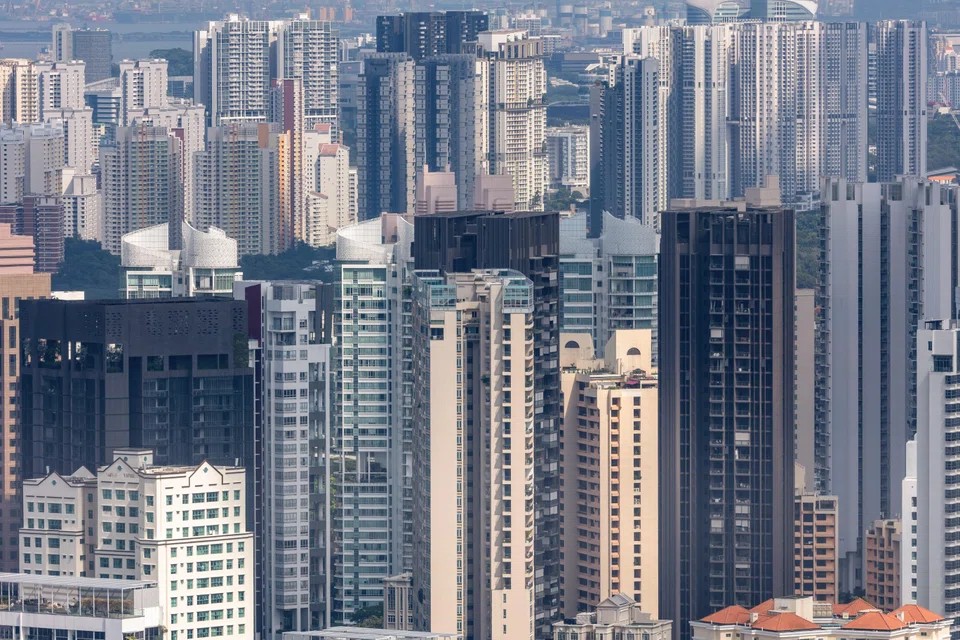
Singapore’s property market in 2026 is becoming more selective as buyers prioritize long-term stability over short-term speculation. Investment decisions are now heavily influenced by fundamentals such as location quality, transport connectivity, rental demand strength, and future urban development plans. Instead of chasing rapid gains, investors are focusing on assets that can deliver consistent performance across market cycles.
Connectivity as a Core Investment Driver
One of the strongest influences on property demand continues to be transport accessibility. Developments located near MRT stations or major transport corridors consistently attract higher interest because they reduce commuting time and improve daily convenience. This makes connectivity one of the most reliable indicators of long-term value and rental stability in Singapore’s real estate market.
Lifestyle Expectations Are Rising
Modern buyers are no longer satisfied with basic residential offerings. There is a clear shift toward lifestyle-oriented living, where homes must support work, leisure, and family needs within a single environment. Features such as efficient layouts, smart home integration, wellness facilities, and communal spaces are now considered essential rather than optional. Properties that fail to meet these expectations risk losing competitiveness over time.
Strategic Developments in Emerging Areas
As the market evolves, well-planned residential projects in strategic locations are gaining attention from both homeowners and investors. One example is Lucerne Grand, which reflects the growing demand for modern housing that balances accessibility with thoughtful design. Such developments appeal to buyers who value both liveability and long-term investment potential.
Decentralisation and Suburban Growth
Singapore’s ongoing decentralisation strategy continues to reshape property demand patterns. Regional hubs outside the city centre are becoming increasingly important, supported by improved infrastructure, commercial development, and better transport links. This has helped suburban areas gain traction among buyers who prefer more space and affordability without sacrificing connectivity.
Rental Demand and Investment Stability
Rental performance remains a key pillar of property investment strategy. Properties that are well-connected and located near employment hubs tend to achieve stronger occupancy rates and more stable rental income. Smaller units often appeal to young professionals and expatriates, while larger units attract families seeking long-term housing stability. This balance helps maintain consistent demand across different property segments.
Lifestyle-Focused Residential Demand
There is a growing preference for developments that offer a complete lifestyle experience. Buyers are increasingly drawn to residential environments that provide access to greenery, recreational facilities, and convenient amenities. In this context, Island Residences represents the type of development that appeals to tenants and homeowners who value a quieter, more balanced living environment while still maintaining reasonable access to urban conveniences.
Policy Stability and Long-Term Confidence
Government policies continue to play a major role in maintaining stability within Singapore’s property market. Measures such as cooling policies and controlled supply ensure that price movements remain gradual rather than volatile. This regulatory framework supports long-term investor confidence and reduces the risk of speculative bubbles.
Financing Conditions and Market Discipline
Higher interest rates have encouraged more disciplined investment behavior. Buyers are now more focused on cash flow management and financial sustainability rather than aggressive leverage. This shift has contributed to a healthier and more balanced property market environment, where investment decisions are based on long-term affordability.
Conclusion
Singapore’s property market in 2026 is defined by maturity, discipline, and strategic decision-making. Buyers are prioritizing connectivity, lifestyle value, and long-term sustainability over short-term gains. Developments that align with these fundamentals, including Lucerne Grand and Island Residences, are better positioned to maintain demand and deliver stable performance across market cycles.