Choosing the right siding for your home is about more than appearance. Siding helps protect your property from rain, wind, moisture, heat, cold, pests, and daily wear. It also plays a major role in curb appeal, maintenance needs, energy performance, and long-term home value.
The best siding option depends on your budget, design goals, local climate, and how much upkeep you are willing to manage. Some materials are affordable and low maintenance, while others offer a premium look with higher care requirements. Before making a decision, it helps to understand the strengths and limitations of each option.
What Is the Best Siding for a Home?
The best siding for your home is the material that balances durability, appearance, maintenance, and cost. Vinyl siding is often a practical choice for homeowners who want affordability and easy upkeep. Fiber cement is popular for its strength and refined appearance. Wood offers natural beauty but requires more care. Engineered wood, metal, and composite siding may also be strong choices depending on the home’s style and location.
A professional inspection can help determine which material is most suitable for your property, especially if your existing siding has damage, moisture issues, or aging exterior trim.
Vinyl Siding
Vinyl siding is one of the most common choices for residential homes. It is popular because it is cost-effective, widely available, and relatively easy to maintain. Modern vinyl siding comes in many colors, textures, and profiles, including styles that mimic wood grain.
One of the biggest advantages of vinyl is that it does not require painting. Routine cleaning with mild soap and water is usually enough to keep it looking fresh. It is also resistant to many common exterior issues, such as rot and insect damage.
However, vinyl can crack in extreme cold or warp if exposed to excessive heat. It may also fade over time, depending on product quality and sun exposure. For many homeowners, it remains a smart option because it offers a strong balance of price, appearance, and low maintenance.
Fiber Cement Siding
Fiber cement siding is known for durability and a high-end look. It is made from a blend of cement, sand, and cellulose fibers, giving it strong resistance to weather, pests, and fire. It can also be manufactured to resemble wood siding, shingles, or smooth modern panels.
Many homeowners choose fiber cement because it provides the look of painted wood without the same level of vulnerability to rot or insect damage. It is a strong choice for homes that need long-lasting exterior protection.
The main considerations are cost and installation. Fiber cement is heavier than vinyl and usually requires skilled installation. It also needs repainting over time, though not as frequently as natural wood. When installed properly, it can deliver excellent long-term performance and curb appeal.
Wood Siding
Wood siding has a classic, natural appearance that many homeowners love. It can create a warm, traditional, rustic, or custom look depending on the style, finish, and type of wood used. Common options include cedar, pine, redwood, clapboard, shakes, and shingles.
The beauty of wood is hard to duplicate. It can be painted or stained in many colors, and it adds character to a home’s exterior. For historic homes or properties with a natural design style, wood may be the preferred choice.
The tradeoff is maintenance. Wood siding needs regular care to protect it from moisture, insects, rot, and fading. It may require staining, painting, sealing, and periodic repairs. If neglected, wood can deteriorate faster than other siding materials. Homeowners who choose wood should be prepared for ongoing upkeep.
Engineered Wood Siding
Engineered wood siding is designed to provide the look of natural wood with improved performance. It is made from wood fibers combined with resins and protective treatments. This gives it better resistance to moisture, pests, and impact compared to traditional wood.
This material can be a good choice for homeowners who want a wood-like appearance but prefer less maintenance. It is available in different textures, colors, and profiles, making it suitable for many home styles.
Engineered wood is generally lighter than fiber cement and easier to install. Still, proper installation is important. Edges, seams, and flashing details must be handled correctly to help prevent moisture problems.
Metal Siding
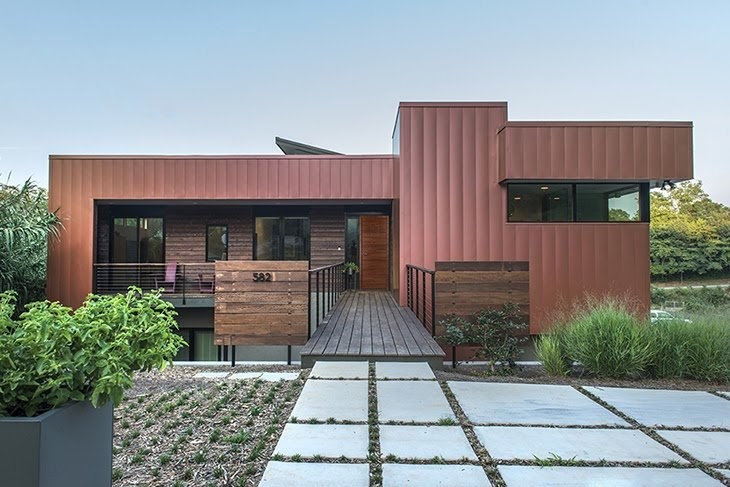
Metal siding, including aluminum and steel, is often used for modern homes, accent areas, and certain residential exterior designs. It is durable, resistant to pests, and can perform well in harsh weather when properly installed.
Aluminum siding is lightweight and rust-resistant, while steel is stronger and more impact-resistant. Metal can create a sleek, contemporary look, especially when paired with other materials such as stone, wood-look siding, or fiber cement.
The possible downsides include dents, scratches, and noise during heavy rain, depending on the product and installation. Metal siding may not suit every home style, but it can be a strong option for homeowners who want a distinctive exterior.
Composite Siding
Composite siding is made from a blend of materials designed to improve durability, appearance, and resistance to weather. It can be manufactured to look like wood, stone, or other exterior finishes.
This option is often chosen by homeowners who want a balance between style and performance. Composite products vary widely, so it is important to compare warranties, thickness, moisture resistance, and manufacturer reputation.
A qualified contractor can help explain whether a composite product is a good fit for your home’s exterior and local weather conditions.
How to Choose the Right Siding Material
Before selecting a siding material, think about your top priorities. If budget and low maintenance are most important, vinyl may be a strong option. If you want durability and a premium appearance, fiber cement may be worth considering. If natural beauty matters most and you are comfortable with upkeep, wood can be a beautiful choice.
You should also consider:
- The age and condition of your home
- Local weather exposure
- Maintenance requirements
- Color and design preferences
- Energy efficiency goals
- Long-term repair costs
- Warranty coverage
- Installation quality
The right material should fit your home today while also making sense years from now.
Why Installation Quality Matters
Even the best siding material can fail if it is installed poorly. Proper installation includes wall preparation, moisture barriers, flashing, trim work, secure fastening, and careful finishing around windows, doors, vents, and corners.
If you are searching for siding installation near me, look for a company that explains the full process, inspects the existing exterior, and provides a detailed estimate before work begins.
Good siding work should improve both appearance and protection. It should not simply cover up old problems. If there is rot, water damage, or damaged sheathing underneath, those issues should be repaired before new siding is installed.
Local Experience Makes a Difference
Homes in New Jersey need siding that can handle changing seasons, rain, snow, humidity, wind, and temperature swings. Local experience helps contractors recommend materials that perform well in the area and match the style of nearby homes.
If you are looking for a siding contractor in Morris County NJ, choose a team that understands local homes, weather conditions, exterior construction details, and the importance of proper preparation.
A local contractor can also help you compare siding options based on your home’s specific needs rather than giving a one-size-fits-all recommendation.
Frequently Asked Questions
What siding lasts the longest?
Fiber cement, metal, and certain high-quality composite products are known for long service life when properly installed and maintained. The actual lifespan depends on the material, weather exposure, and installation quality.
What is the easiest siding to maintain?
Vinyl siding is often one of the easiest materials to maintain because it does not need painting and can usually be cleaned with basic washing. Some composite and engineered products are also designed for lower maintenance.
Is wood siding still a good choice?
Wood siding can still be a good choice for homeowners who value natural beauty and are willing to maintain it. It requires more care than vinyl or fiber cement, but it offers a distinctive look that many homeowners prefer.
Should old siding be removed before installing new siding?
In many cases, removing old siding is the better approach because it allows the contractor to inspect the wall surface underneath. This can reveal hidden moisture damage, rot, or structural issues that should be fixed before new siding is installed.
Make the Right Choice for Your Home
The best siding option depends on what you want your exterior to accomplish. Some homeowners want a budget-friendly refresh. Others want long-term durability, a premium design, or less maintenance. Vinyl, fiber cement, wood, engineered wood, metal, and composite siding each offer different benefits.
KRR General Contractor helps homeowners review their options, understand the installation process, and choose siding that fits their home’s style, protection needs, and budget. With the right material and the right installation team, your home can look better, perform better, and stay protected for years.