
Key Takeaways
- The first 24 hours after water damage determine the extent of structural, material, and microbial impact.
- Immediate safety checks and water source control must happen before any cleanup begins.
- Delays in drying, documentation, or professional intervention increase long-term repair costs.
- Emergency water damage restoration is time-sensitive and should be engaged early for severe cases.
Water damage does not remain static. From the moment water enters a property, it begins spreading through flooring, walls, insulation, and electrical systems. What appears manageable in the first hour can escalate into structural weakening, mould growth, and asset loss within a single day. The first 24 hours are critical. Property owners who act methodically and within the correct sequence reduce damage severity and recovery time.
Learn what should happen during each stage of that initial 24-hour window.
Hours 0–4: Secure Safety and Stop the Source
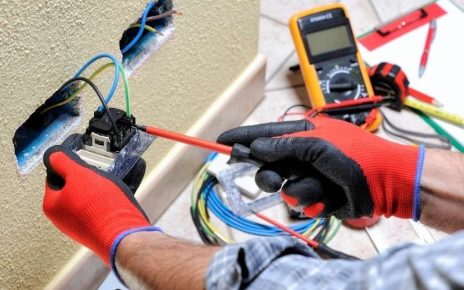
The initial priority is safety. Once water damage involves electrical outlets, ceiling leaks, or submerged appliances, electricity should be isolated immediately. Standing water near live circuits presents a serious hazard. Gas lines and structural stability should also be assessed before anyone enters affected areas.
Once safety is confirmed, the water source must be stopped. Burst pipes, leaking appliances, overflowing tanks, or external water ingress should be isolated at the main shutoff or controlled at the source. However, if the source cannot be identified or stopped quickly, emergency water damage restoration providers should be contacted immediately to prevent continued saturation.
Visible water should not yet be aggressively cleaned during this phase unless it poses a safety risk. Premature cleanup without assessment can spread contamination or mask the extent of water penetration.
Hours 4–8: Document Damage and Begin Controlled Removal
Once water flow is controlled, documentation becomes critical. Photographs and videos should be taken of all affected areas, including flooring, walls, ceilings, fixtures, and personal belongings. This documentation supports insurance claims and provides baseline records for restoration planning.
Controlled water removal can begin at this stage. Surface water should be extracted using pumps, wet vacuums, or professional extraction equipment if available. Porous items such as rugs, loose furniture, and removable soft furnishings should be lifted off wet surfaces to limit absorption.
However, property owners should avoid dismantling built-in structures or removing wall panels without guidance. Incorrect removal can worsen water spread or complicate restoration assessments later.
Hours 8–16: Initiate Drying and Moisture Control
Moisture has already migrated beyond visible surfaces by this stage. Drying must be systematic and continuous. Air circulation should be increased using fans and dehumidifiers, with windows opened only if external humidity conditions allow.
This period is the point where emergency water damage restoration becomes especially critical. Professional teams use moisture meters and thermal imaging to identify trapped water behind walls, under flooring, and within insulation. Drying efforts often fail without this detection, leading to hidden deterioration days or weeks later.
Paper products, untreated wood, and laminated surfaces are particularly vulnerable during this period. Once drying is delayed or incomplete, warping, delamination, and microbial growth become increasingly likely.
Hours 16–24: Assess Escalation Risks and Engage Restoration Services
As the first day concludes, the focus shifts from immediate response to damage control strategy. Any lingering dampness, odours, or swelling materials indicate deeper saturation. Professional intervention is no longer optional if drying equipment is running continuously with little improvement.
Emergency water damage restoration teams can stabilise conditions, prevent secondary damage, and create a structured recovery plan. This approach includes antimicrobial treatment where necessary, structural drying protocols, and proper separation between salvageable and non-salvageable materials.
Property owners should also notify insurers during this window if they have not already done so. Delays in reporting water damage can complicate claims and reduce coverage eligibility.
Conclusion
The first 24 hours after water damage are decisive. Safety checks, source control, documentation, drying, and timely escalation all play distinct roles in limiting damage severity. Water damage rarely resolves on its own, and delayed or incomplete action compounds costs. Emergency water damage restoration is not just a cleanup service; it is a time-critical intervention that protects the structure, contents, and long-term usability of a property.
Encountered an emergency water damage? Visit BELFOR to act early and prevent minor issues from becoming structural problems.