

Key Takeaways
- Standard aircon cleaning focuses on airflow, moisture control, and visible build-up inside the unit.
- Coil, filter, and drainage work explains why cleaning improves comfort without fixing faults.
- Cleaning has clear limits, especially around electrical, refrigerant, and mechanical issues.
- Knowing the scope helps homeowners choose cleaning or repair without wasted repeat visits.
Introduction
Air conditioners run quietly in the background, making cleaning work easy to overlook. Attention stays on cooling strength, not on build-up inside the unit over time. Questions surface when smells appear, airflow feels weaker, or moisture starts to linger. Uncertainty then grows around what a standard service includes and what falls outside its scope. Understanding what technicians cover during a visit helps expectations stay realistic, avoids wasted bookings, and makes later decisions easier to manage.
What Gets Covered During a Standard Cleaning
Internal Filters and Airflow Paths
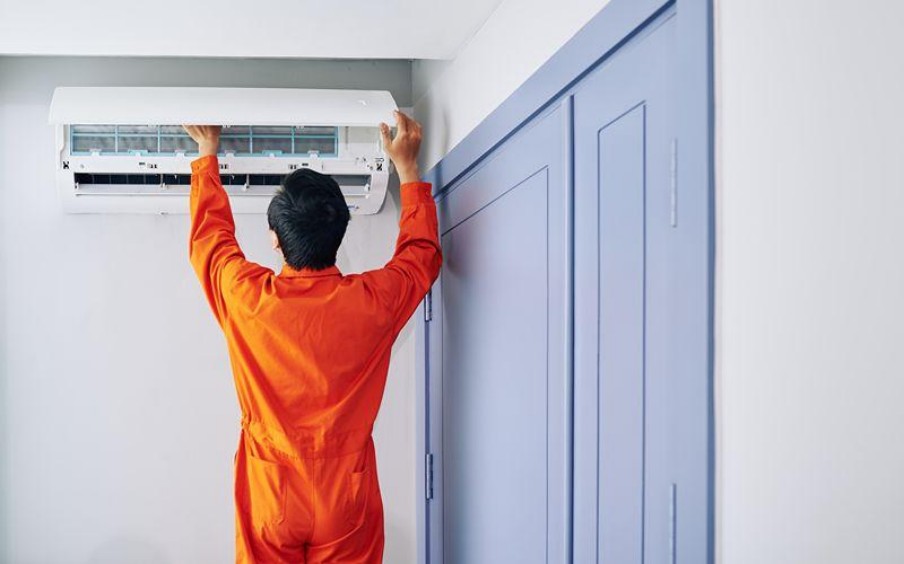
Work begins with components handling daily airflow. Dust, lint, and fine particles settle on filters and restrict circulation over time. Removing and washing filters allows air to move freely again, helping cooling feel even across the room. Vents and louvers receive attention during routine visits, and aircon cleaning in Singapore keeps air direction consistent and unobstructed.
Evaporator Coils and Surface Build-Up
Cooling performance relies on clean coil surfaces handling heat exchange during every cycle. Grime forms a thin layer and holds moisture, leading to stale smells and weaker heat transfer over time. Careful coil cleaning removes residue without bending fins or stressing tubing, allowing air to pass evenly across the coil face. Coil condition sits at the centre of performance checks, which explains why aircon cleaning in Singapore places heavy emphasis on this area before other parts show stress. Once coils are cleared, systems operate with less strain and maintain stable cooling across longer periods, especially during extended daily use.
Drain Trays and Drainage Lines
Condensation management plays a quiet role in comfort. Drain trays collect water and guide it away from the unit. Sludge and algae slow drainage and allow moisture to sit longer than intended. Flushing trays and lines keeps water moving and limits odour formation. Damp smells linked to blocked drainage prompt many households to book help, with aircon cleaning in Singapore addressing this issue once water flow returns to normal.
External Casing and Basic Inspection
Cleaning sessions include visual checks around the unit. Panels, covers, and fasteners receive wiping and proper securing. Loose fittings or early wear signs surface during this stage. Identifying minor issues early helps homeowners decide whether further checks are needed later.
What Cleaning Does Not Cover
Electrical Faults and Component Failure
Cleaning focuses on hygiene and airflow, not electrical systems requiring specialised handling. Wiring, capacitors, sensors, and control boards operate behind sealed panels and carry live current during operation. A standard cleaning visit avoids opening electrical compartments or testing power delivery. Burning smells, tripped breakers, or erratic unit behaviour indicate issues linked to internal components, pointing toward air conditioning repair services instead of routine maintenance.
Refrigerant and Cooling Pressure Issues
Cooling strength depends on correct refrigerant levels and balanced system pressure. Visits focus on dirt and moisture removal rather than pressure work; within this scope, aircon cleaning in Singapore avoids gas measurement or calibration tasks. Low refrigerant can cause longer cooling cycles, uneven temperature output, or faint hissing sounds during operation. Addressing these symptoms requires diagnostic tools and handling procedures falling outside surface cleaning work.
Mechanical Damage Inside the Unit
Fans, motors, bearings, and internal mounts experience gradual wear during daily operation. Cleaning removes dirt accelerating wear but does not restore damaged moving parts. Rattling, vibration, or grinding noises signal loosened components or worn bearings. Leaving issues unattended can place extra load on the system and shorten component lifespan, which is why mechanical faults require closer inspection beyond standard cleaning.
Why Understanding Scope Helps Homeowners
Clear expectations reduce unnecessary follow-up visits and prevent confusion after a service appointment. Knowing exactly what routine cleaning covers helps homeowners separate hygiene-related issues from problems linked to system faults. Clarity makes decisions easier when choosing between a standard visit and further checks. Planning maintenance with this distinction in mind avoids repeated bookings for the same issue and keeps costs predictable over time.
Conclusion
Comfort improves when maintenance decisions stay informed. Cleaning focuses on airflow, moisture control, and hygiene, while technical repairs address electrical or mechanical faults. Choosing the right service at the right time saves effort and keeps systems running predictably.
Contact Newway today to schedule a visit, including aircon cleaning in Singapore, or discuss whether further inspection suits current system concerns.