

Key Highlights
- Traditional hotel rooms lack distinct zones for working and sleeping, leading to psychological fatigue during extended trips.
- Hotel apartments eliminate the “service premium” of daily housekeeping, offering better value per square foot for stays over two weeks.
- In-unit kitchenettes and laundry facilities allow travellers to maintain dietary routines and independence, which hotels cannot match.
- Regulated hotel apartments offer legal short-term leases that bridge the gap between daily hotel rates and rigid 3-month private residential contracts.
There was a time when business travellers and relocating professionals had exactly two choices: sign a rigid, year-long lease or endure weeks in a sterile hotel room. Neither option was ideal. The lease required too much commitment; the hotel room also demands much compromise.
Today, the landscape of short-term stay in Singapore has shifted. The gap between the transient hotel room and the permanent residential lease has been filled by a hybrid solution, which is the hotel apartment. And this is not just a trend, but a structural response to how modern professionals live and work. We value mobility, but we refuse to sacrifice domestic comfort.
Why are seasoned travellers and savvy companies pivoting away from standard hospitality models? It comes down to three critical factors: economics, psychology, and autonomy.
1. The Psychology of Space: Escaping the Bedroom
Consider the layout of a standard hotel room. You have a bed, a desk, and a bathroom. If you are in town for three days, this is sufficient. You are out all day; the room is just for sleep.
However, if you are seeking a short-term stay in Singapore for a month, that single room becomes a cage. You eat in bed. You work at the desk next to the bed. You relax on the bed. The psychological boundary between rest and activity collapses.
Hotel apartments in Singapore solve this spatial crisis. They introduce the concept of “zoning.” Even in a studio configuration, the layout is designed to separate living functions.
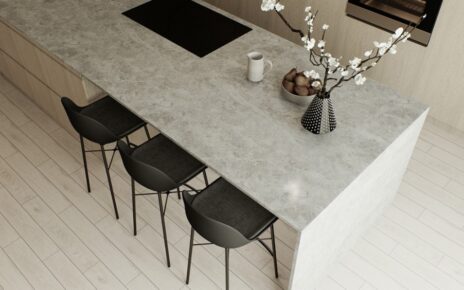
You have a distinct area to prepare food, a dedicated workspace, and a sleeping zone, and such separation is vital for mental well-being during extended stays. It allows you to invite a colleague over for a coffee without them sitting on your duvet.
2. The Economic Argument: Value Per Square Foot
Singapore is one of the most expensive cities in the world. Booking a 4-star hotel room for 30 nights is an astronomical expense. Furthermore, you are paying for services you likely won’t use every day, such as the concierge, the turndown service, and the bellhop.
Hotel apartments strip away the unnecessary fluff while retaining the essentials. You are paying for the hardware (the room, the amenities) rather than the software (excessive staffing).
When you calculate the cost per square foot, hotel apartments consistently outperform traditional hotels for stays exceeding 14 days. You get more floor area for your dollar. Additionally, the hidden costs of hotel living—dining out for every meal, expensive laundry services- are eliminated. A functional kitchenette allows you to cook breakfast. A laundrette on-site (or a washer in-unit) saves you from paying $10 to wash a single shirt. Over a six-week period, these operational savings are substantial.
3. Autonomy and Lifestyle Maintenance
The biggest disruption during travel is the loss of routine. You cannot cook your own eggs. You are bound by the breakfast buffet hours, and you live out of a suitcase.
For professionals on a short-term stay in Singapore, maintaining a routine is key to productivity. You need to replicate your home environment, and this is where hotel apartments in Singapore are engineered for this autonomy, offering the infrastructure essential for normal life.
You can stock the fridge with your preferred groceries. You can do laundry at midnight if you choose. You are not a guest subject to the hotel’s schedule; you are a resident with your own domain, and this kind of autonomy is particularly crucial for those with dietary restrictions who cannot rely on restaurant food for weeks on end. The ability to prepare a simple, healthy meal is a luxury that standard hotels rarely offer without charging for a premium suite.
4. Flexibility Without the Legal Headache
Singapore’s residential rental laws are strict. Private residential properties (condos) usually require a minimum stay of three months. HDB flats require six. This leaves a massive void for anyone needing accommodation for one or two months.
Hotel apartments operate under specific lodging licenses that allow for shorter commitments—often weekly or monthly. This flexibility is a lifeline for:
- Expats are waiting for their long-term furniture to arrive.
- Business consultants on project-based contracts.
- Medical tourists require recovery time near hospitals.
- Homeowners renovating their primary residence.
You get the legal security of a regulated establishment without being locked into a 12-month tenancy agreement that requires a massive security deposit and stamp duty.
The Verdict: A Smarter Way to Stay
The definition of luxury has changed. It is no longer about gold taps and chocolate on the pillow. It is about space, freedom, and the ability to live on your own terms, even when you are 5,000 miles from home.
If your trip extends beyond a weekend, stop looking at hotels. They are designed for tourists, not residents. You need a space that respects your need for a life, not just a bed.
Why compromise on comfort when you can have a home? If you are looking for a stylish, functional, and hassle-free living solution that bridges the gap between hotel and home, we have the keys waiting for you.
Contact Coliwoo today and learn about our diverse range of properties and secure an affordable studio apartment for rent in Singapore that fits your timeline and your lifestyle.