
Key Takeaways
- Honest space planning reveals where small apartments need flexible layouts and multi-use furniture to improve daily flow.
- Clear budgeting helps homeowners prioritise custom storage and essential works without overspending on finishes.
- Built-in and hidden storage solutions reduce visible clutter and make compact homes easier to live in.
- Durable finishes and realistic timelines prevent renovation stress and frequent repairs after completion.
Introduction
Living in a small apartment in Singapore means trying to manage storage, privacy, and style in the same compact rooms, which can make planning an interior design renovation raise questions about budgets, timelines, and what will actually change after the dust settles. Many homeowners search for house interior design in Singapore that looks spacious online, then worry about whether the ideas will translate to their own floor plan. Thinking through the decisions that impact everyday life helps turn a renovation from a mood board into a lived-in home today.
Measure How You Actually Use Space
Small apartments reward honest measurement of habits, not just floor area. A dining table that seats six may look elegant, but it can block circulation if most meals happen on the sofa. During interior design renovation planning, sketch daily movements from waking up to bedtime and note pinch points where doors, drawers, and people collide. This process often reveals that sliding doors, built-in benches, or fold-down desks make more sense than bulky furniture. House interior design in Singapore begins with traffic flow, as it shapes every later choice before budgets are discussed or finishes are chosen.
Decide Where to Spend and Where to Save
Budgeting in small flats often means choosing one standout feature and keeping other areas simple. Homeowners might invest in custom cabinetry for storage while selecting affordable tiles for the bathroom. During an interior design renovation, itemised quotes reveal how carpentry and electrical works can dominate costs, so clear priorities prevent overspending. Firms for house interior design in Singapore suggest setting aside a contingency fund for unexpected structural issues, especially in older units where concealed pipes and wiring may require replacement before cosmetic work begins. Seeing the numbers early helps families adjust expectations and avoid cutting essentials at the last minute.
Plan Storage That Disappears
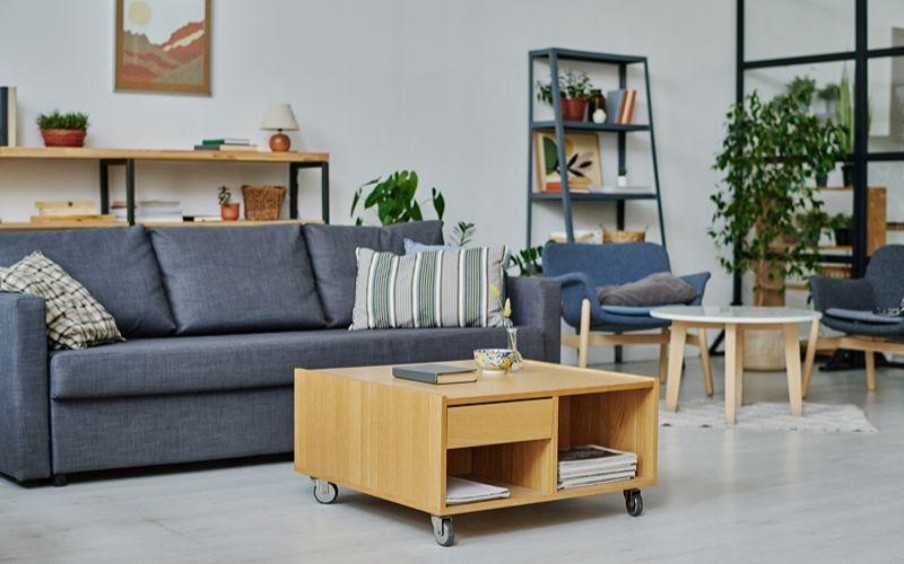
In compact homes, clutter becomes visible quickly, so storage planning feels as important as colour palettes. Built-in wardrobes to the ceiling maximise vertical space, while recessed shelves in hallways keep books and decor off narrow walkways. During interior design renovation, designers often suggest multi-use furniture such as ottomans with hidden compartments or platform beds with drawers underneath. Homeowners exploring house interior design in Singapore often realise that custom storage costs more upfront but reduces the need for extra cabinets that shrink living areas over time. Clear storage plans make moving day smoother because every item already has a designated place.
Choose Finishes That Handle Daily Wear
Finishes in small apartments face heavy wear because spaces serve multiple purposes. Kitchen counters double as work desks, and living room floors host workouts and playtime. During interior design renovation, practical materials such as quartz countertops, laminate flooring, and washable wall paints reduce long-term maintenance. Many firms for house interior design in Singapore encourage testing samples under actual lighting conditions, since compact layouts can exaggerate glare and shadows. Durable finishes often cost more upfront, yet they prevent frequent touch-ups that disrupt daily routines and rental plans. Seeing wear patterns in showrooms can make choices feel practical rather than purely aesthetic today.
Prepare for the Renovation Timeline
Timelines often surprise first-time renovators, especially in strata-managed buildings where approvals and neighbour notifications take time. During interior design renovation, demolition and carpentry can overlap, while electrical works require careful scheduling to avoid rework. Homeowners following trends in house interior design in Singapore may expect fast transformations, yet small apartments still need curing time for adhesives and finishes. Living off-site for a few weeks can reduce stress, but it adds cost and logistics for families with pets or children. Clear milestones and regular site updates help manage expectations when progress seems slow despite visible changes. Many homeowners track progress daily.
Conclusion
Renovation images suggest that clever layouts will instantly create space and calm, yet living in a compact flat still requires conscious habits. Homeowners may expect hotel-like minimalism, but daily routines quickly introduce laundry, groceries, and work equipment back into view, as interior design renovation does not remove the need for organisation and realistic maintenance. Recognising this gap helps families appreciate improvements without feeling disappointed when a small apartment still feels like a busy home after contractors have left.
Contact MYD Pleasant Home Design to explore more perspectives on small-apartment renovation and everyday living in compact urban homes.