

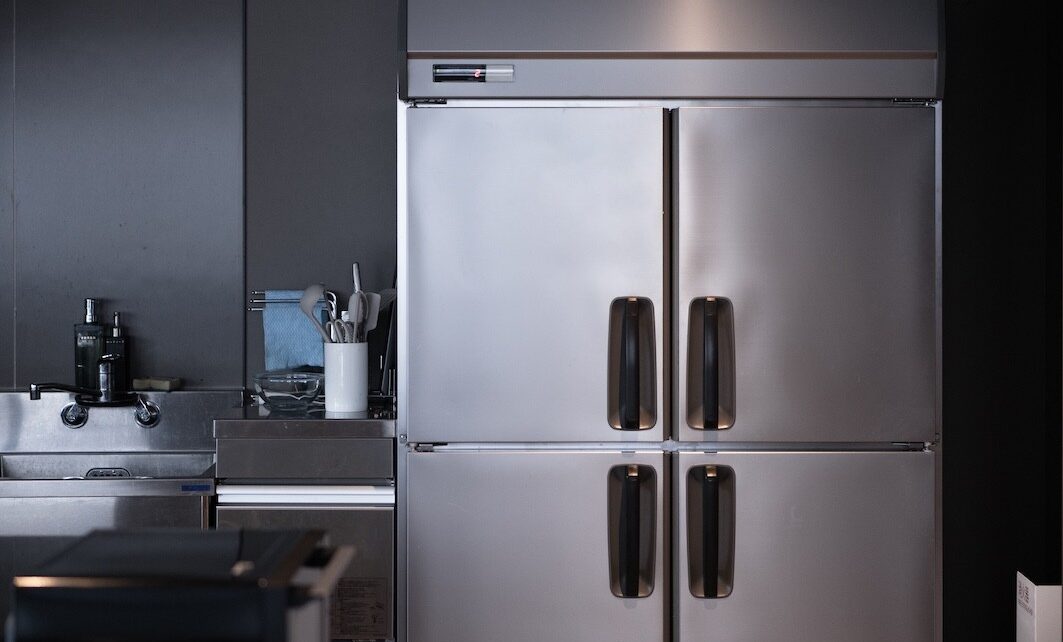
Industrial freezers are the quiet workhorses behind almost every frozen food aisle. From vegetables and berries to seafood and ready meals, freezing is what protects taste, texture, and shelf life at scale. But “industrial freezers” is a broad term. There are tunnel systems, plate freezers, blast rooms, and high-capacity continuous solutions designed for factories that run 24/7. The right choice depends on product type, throughput, available floor space, and how consistent the quality needs to be from the first batch to the last.
One of the biggest mistakes companies make is treating freezing like a final step that simply “needs to get cold.” In reality, freezing is a quality step. Freeze too slowly and ice crystals grow larger, damaging cell structure. That can lead to drip loss when thawing, mushier texture, or a duller bite. Freeze too aggressively without the right airflow and you risk dehydration on the surface, also known as freezer burn. The best industrial freezers balance speed, airflow, humidity control, and gentle handling so you protect the product while hitting production targets.
Why freezing speed matters for quality
Fast freezing helps keep ice crystals smaller. That’s a simple principle with big commercial consequences. Smaller crystals mean less damage to a strawberry’s structure, less fluid loss in shrimp, and better bite in blanched vegetables. When you’re building a long-term brand, consistent sensory quality matters as much as food safety compliance. If customers keep noticing that “this batch tastes different,” the issue might not be seasoning or sourcing. It might be your freezing profile.
Choosing the right freezing machine for your line
A freezing machine is not just a freezer. It is a piece of production equipment that has to match your upstream and downstream processes. Are you feeding product from a fryer, a cooking line, a dewatering system, or a packaging station? Is the product loose, sticky, wet, fragile, or uniform? These details determine which freezing machine makes sense.
For loose products like diced vegetables, berries, or shredded cheese, a continuous system that can keep items separated is often crucial. For uniform blocks, plate or contact freezing can deliver excellent efficiency. For mixed products, you may need flexible airflow control and robust sanitation design. In other words, the best freezing machine is the one that fits the realities of your day-to-day production, not just the brochure specs.
Energy efficiency and total cost of ownership
Industrial freezers often run all day, every day. That means energy use isn’t a side note. It is a core operating cost. Insulation quality, fan efficiency, defrost strategy, and refrigerant system design can make a meaningful difference over time. A lower purchase price can become expensive quickly if the freezer requires more power, more downtime, or more maintenance hours. Smart buyers focus on total cost of ownership, not only the initial quote.
Hygiene and uptime as competitive advantages
In food production, downtime hurts twice. You lose output, and you lose schedule stability. Good industrial freezers are designed for cleaning access, reliable belt or conveyor performance, and predictable defrost cycles. Hygienic design matters, especially for proteins, ready meals, and high-care environments. When freezing equipment is easy to inspect and clean, you reduce the risk of contamination and shorten cleaning time, which often improves overall capacity.
How Industrialfreezing.com can help
If you are evaluating industrial freezers for a new plant or an upgrade, the smartest next step is to define product goals and operating constraints before locking in a design. Industrialfreezing.com focuses on practical freezing solutions, helping you compare options, understand throughput expectations, and match the right freezing machine to your product and process. When freezing is engineered well, quality improves, waste drops, and production becomes calmer.