

Key Takeaways
- DIY aircon troubleshooting suits basic issues like dirty filters or minor resets
- Complex faults often need professional tools and experience
- Professional aircon service repair can prevent recurring problems and extend system lifespan
- Cost savings from DIY may disappear if mistakes cause further damage
- Knowing when to call for help makes aircon care simpler and safer
When an aircon starts acting up in Singapore, it rarely goes unnoticed. The room feels stuffy, sleep becomes patchy, and irritation sets in fast. At that point, many people face the same question. Should the issue be handled personally, or is it time to bring in a professional?
Aircon troubleshooting sounds simple enough on paper. But the reality often sits somewhere between a quick fix and a deeper technical problem. Knowing where that line is can save time, money, and a fair bit of stress.
The Appeal of Doing It Yourself
DIY fixes have a certain charm. There is the promise of quick relief and the satisfaction of sorting things out without waiting for help. For minor issues, that confidence is sometimes justified.
Basic aircon troubleshooting usually starts with the obvious checks. Is the remote working? Are the filters clogged with dust? Is the unit leaking slightly because of condensation buildup? These are small tasks many Singapore households handle routinely, especially during hotter months when aircon use spikes.
Cleaning filters, checking power connections, and resetting the system can help when performance dips. It feels practical, even empowering. For some, it is like changing a flat tyre. Straightforward, familiar, and cost-free.
But there is a quiet risk here. What looks like a surface issue can hide a larger mechanical or electrical fault. DIY enthusiasm, while well-meaning, can sometimes push things further than intended.
Where DIY Starts to Fall Short
The moment an aircon starts making unusual noises or blowing warm air despite being set correctly, things get complicated. Refrigerant levels, internal sensors, and electrical boards are not designed for casual inspection.
Aircon troubleshooting at this stage becomes guesswork. A wrong adjustment or an overlooked fault may lead to bigger repairs later. In some cases, DIY attempts even void warranties, which is a painful surprise many only discover after the fact.
Singapore’s humid climate adds another layer. Moisture-related issues like mould growth or drainage blockages often require proper tools and experience. This is where confidence alone does not cut it.
The Case for Professional Support
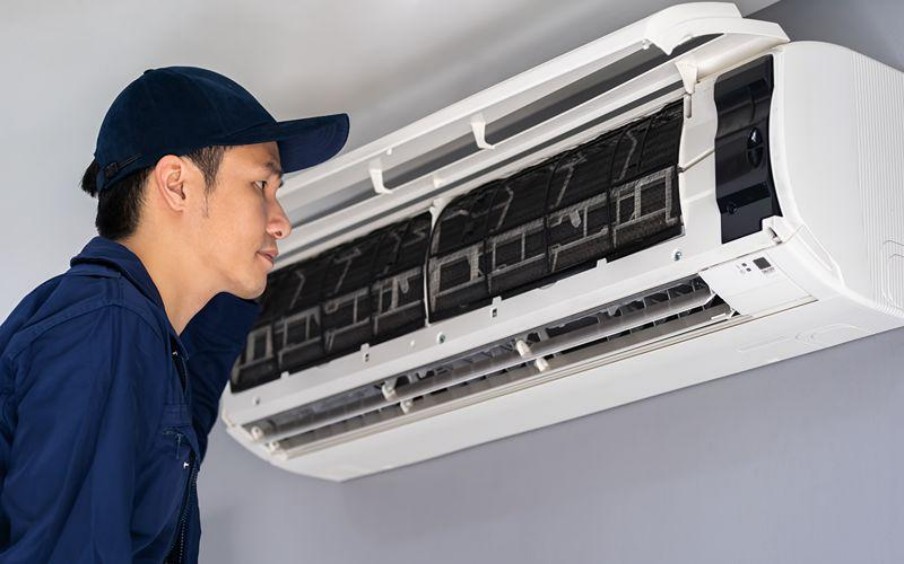
Professional help tends to arrive with a clearer process. Trained technicians know what to look for and where problems usually hide. An experienced aircon service repair session goes beyond symptom fixing. It checks system health, airflow balance, and component wear.
There is also peace of mind. A professional diagnosis reduces trial and error, which matters when aircon downtime affects daily routines or business operations. Offices, retail spaces, and even home offices rely heavily on consistent cooling.
That said, professional services are not just for major breakdowns. Many people in Singapore schedule routine checks to prevent issues from escalating. It feels cautious, yet practical.
Cost, Time, and Long-Term Value
Cost often drives the DIY versus professional debate. DIY feels cheaper upfront, no service fees, no scheduling. But that saving can disappear if a small mistake leads to a larger repair bill.
Professional aircon service repair costs more initially, but it often extends the lifespan of the system. Fewer breakdowns, steadier performance, and lower energy waste add up over time. The trade-off becomes clearer when aircon units are used almost daily.
Time is another factor. DIY fixes might take hours, especially when troubleshooting becomes a process of elimination. A professional visit, while scheduled, is usually faster and more precise.
So, Which Is Better?
The honest answer is that both have their place. Light aircon troubleshooting suits minor, visible issues. Anything beyond that calls for professional expertise. It is not about choosing one side forever, but knowing when to switch.
A good rule of thumb? If the problem keeps coming back, smells odd, or affects cooling performance noticeably, professional aircon service repair is the safer route.
Conclusion
DIY aircon fixes can feel rewarding, but they work best for simple problems. Professional support shines when systems behave unpredictably or efficiency drops without explanation. Balancing both approaches helps Singapore households stay cool without unnecessary risk. For persistent or complex issues, reaching out to a trusted service provider is often the smartest move.
If an aircon problem refuses to settle, contact Cool Channels Engineering for reliable support and long-term peace of mind.